
If you’re thinking about tinting your vehicle, you’ve probably heard terms like dyed, carbon, and ceramic window tint. They might sound similar, but the differences between them can seriously impact how your car looks, feels, and performs—especially in Virginia’s hot summers.
At Wrapping Richie, located in Manassas Park, we help drivers choose the right window tint every day. Let’s break it down in plain English so you can make a confident decision.
Dyed Window Tint: The Budget-Friendly Option
Dyed window tint is the most basic and affordable type of tint available. It works by placing a layer of dye between the adhesive and protective layers of the film.
Pros:
- Improves privacy and appearance
- Reduces glare from sunlight
- Lowest upfront cost
Cons:
- Minimal heat rejection
- Can fade or turn purple over time
- Shorter lifespan compared to other tints
Dyed tint is mainly about looks. While it darkens your windows nicely, it doesn’t do much to block heat. In a place like Northern Virginia, that means your car can still feel like an oven in the summer.
Carbon Window Tint: A Solid Mid-Range Upgrade
Carbon window tint is a step up in both performance and durability. Instead of dye, it uses carbon particles to block sunlight and heat.
Pros:
- Better heat rejection than dyed tint
- Won’t fade or discolor
- Matte finish with a clean, modern look
Cons:
- Costs more than dyed tint
- Heat rejection is good—but not the best
Carbon tint is a great balance for drivers who want better comfort without jumping to premium pricing. It keeps your interior cooler and protects upholstery better than dyed tint, making it a popular choice for daily drivers.
Not sure which tint fits your driving habits? Stop guessing. Contact Wrapping Richie today and get expert advice tailored to your vehicle and lifestyle.
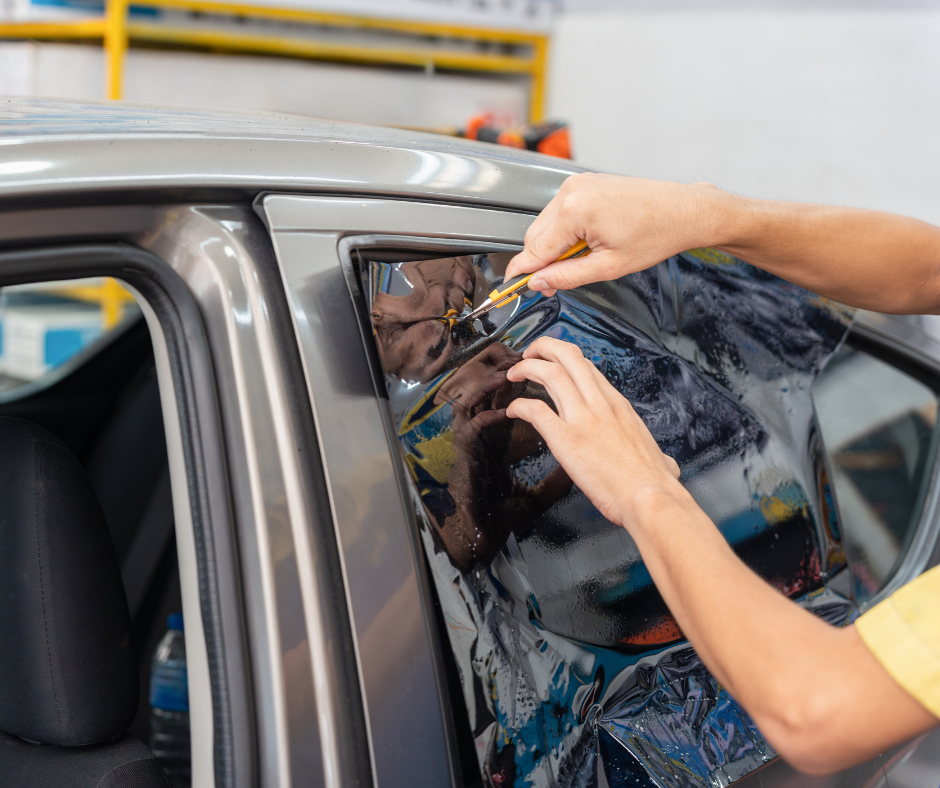
Ceramic Window Tint: The Premium Performer
Ceramic window tint is the top-tier option and for good reason. It uses non-metallic ceramic particles that block heat and UV rays without interfering with electronics.
Pros:
- Superior heat rejection
- Blocks up to 99% of harmful UV rays
- Crystal-clear visibility, even at night
- No signal interference (GPS, Bluetooth, cell phones)
Cons:
- Higher upfront cost
Ceramic tint is ideal if you park outside often, drive long distances, or simply want the best comfort possible. Many drivers are surprised at how much cooler their car feels—even on the hottest Virginia days.
Which Window Tint Is Right for You?
Here’s a quick way to decide:
- Choose dyed tint if budget is your top priority and you just want a darker look.
- Choose carbon tint if you want noticeable heat reduction without premium pricing.
- Choose ceramic tint if you want maximum comfort, protection, and long-term value.
At Wrapping Richie, we’re honest about what works and what doesn’t. We don’t upsell—we educate, then let you decide.
Window tint isn’t just about style. The right tint can protect your interior, reduce eye strain, and make every drive more comfortable. Understanding the difference between dyed, carbon, and ceramic tint helps you invest wisely instead of paying twice.
Ready to upgrade your ride? Book your professional window tint installation with Wrapping Richie in Manassas Park today and feel the difference from day one.